
Schedule a Tour Today! 505.271.0000
Staying Active: Simple Exercises for Seniors in Assisted Living in Albuquerque
- Admin
- Friday 11th of October 2024

As we grow older, staying active becomes an essential factor in health and well-being for individuals. Regular physical exercise is necessary for the elders, more so than those living in assisted-person centres because it enhances the quality of life, promotes mobility, and reduces the risks of different illnesses. Here, we will look at some exercises that seniors in assisted living in Albuquerque can perform in an apartment setting, emphasising strength, stability, flexibility, and cardiovascular fitness.
How to stay active and alert when in assisted living
Being physically active is very important, particularly for elderly individuals who are in assisted living. Exercise can substantially help control conditions like arthritis, diabetes, and heart ailments and help in alleviating depression and anxiety symptoms. More so, the fact that there is ‘staying active’ enables the elderly to retain independence, thus making it easier for them to undertake ordinary chores such as walking, taking a shower, and putting on clothes.
In comparison to other Assisted Living Facilities in Albuquerque, physical exercise regimens are designed to accommodate the needs and health status of each senior, allowing for safe and effective involvement by all seniors. Senior living residents participate in assisted living activities that do not strain their bodies and require little use of many resources as there is no special equipment at hand.
Senior Activities in Assisted Living: Simple Exercises
Seated Leg Lifts
Sit in a sturdy chair with your back straight. Steadily lift one leg straight out in front of you as high as you can for a few seconds, then lower the leg back down. Do the same with the other leg. Repeat as required.
- Benefits: Develops the quadriceps and enables the lower body areas required for standing and walking activities.
Chair Stands
Sit in a chair with your feet flat on the floor. Stand up without using your hands from the chair, trying to balance yourself. Sit back down and repeat slowly.
- Benefits: Improves strength of the legs and balance for ease in standing, which assists in getting up from a seated position.
Toe and Heel Raises: How to Do It
It can be attempted by standing in a blessed position behind a chair, getting up on your toes, holding for an instant, and finally going back down. Now, assume a position where you go back on your heels, lifting your toes off the ground and going back to the position you started from.
- Benefits: Strengthening of the calves and enhancement of a person’s balance, hence reducing the chances of falling.
Seated Marching: How to Do It
You will sit on a chair and ensure that your back is straight. March in place by raising one knee as high as you can. Lower it and alternate with the other leg.
- Benefits: Enhances flexibility of the hips and strengthens the walking muscles.
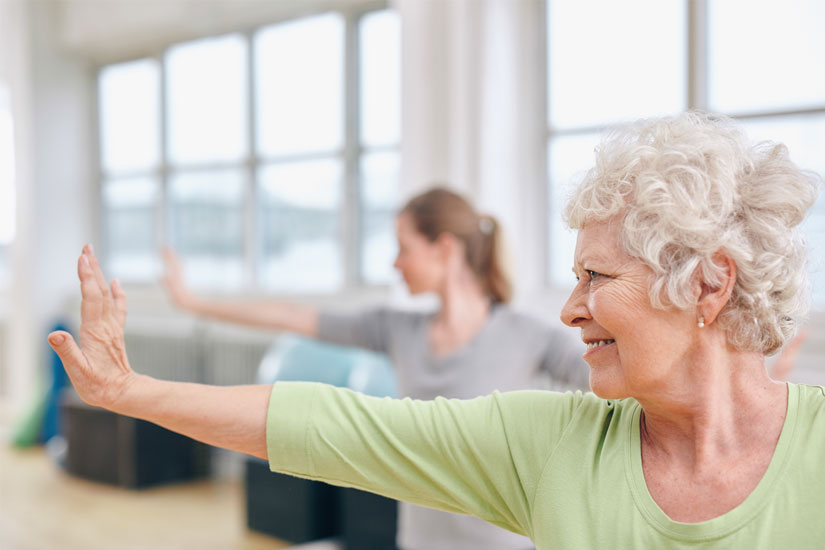
Arm Raises: How to Do It
The patient will sit or stand with his arms at his sides, and the nurse will perform simultaneous arm outstrokes. Raise, slightly, both arms from the side laterally cited above, and turn inward toward the ceiling, then straight down, put down.
- Benefits: The muscles of the shoulders and arms are strengthened, leading to better arm use to reach out or lift something off the ground.
Shoulder Rolls: How to Do It
The patient can sit or stand with his hands on his sides. Forwards, shoulder circles with the body, perform horizontal rotational and reverse circular movement.
- Benefits: It makes shoulders more flexible and relieves stress in the upper parts of the body.
Neck Stretches: How to Do It
Maintain a seated or standing position with your back straight. Tilt your head to one side such that the ear comes close to the shoulder and hold for a few seconds. Similarly, repeat on the other side.
- Benefits: Lower neck stiffness and improvements to a range of movements.
Deep Breathing Exercises: How to Do It
Get relaxed with your back straight. Fill your lungs with air through your nose and control the air as you release it slowly through your mouth.
- Benefits: Lowered degree of stress and better utilization of lung capacity.
Ankle Circles How to Do It: While seated on a chair, place both your feet when seated on a flat surface such that the foot muscles are relaxed. Take one foot off the surface, and as you do this, circularly rotate your ankle. Do the same with the other foot.
- Benefits: Encourages better range of movements at the ankle and decreases chances of ankle sprains.
Finger and hand exercise: How to do it
Open your hands and fold them back in several repeated actions; alternatively, squeeze a stress ball or put your thumb sequentially on the fingers.
- Benefits: Increases mobility and the low level of stiffness of the hand and fingers, which are critical in everyday actions such as writing and eating.
Modifying Exercises to Individuals' Individuality
One of the important features of exercise programs in assisted living facilities in Albuquerque is that the exercises can be altered to cater to various abilities. Chairs can be provided for elderly patients, or exercises can be kept simple such that they can in a way be done for some patients who are not able to stand up due to illness or movement disability. It is ensured that all the residents, irrefutably, all need some amount of physical activity, and common sense dictates that frequent exercise is also appropriate, at least to some extent.
For instance, for an elderly person who is unable to stand for long, some of the exercises can be executed even in a sitting position: leg lift, arm lift, and even ankle circle twist. Also, all those in bed undergoing long bed rest can practice breathing exercises and shoulder stretches while lying in bed.
The Role of Caregivers and Staff in Assisted Living Communities
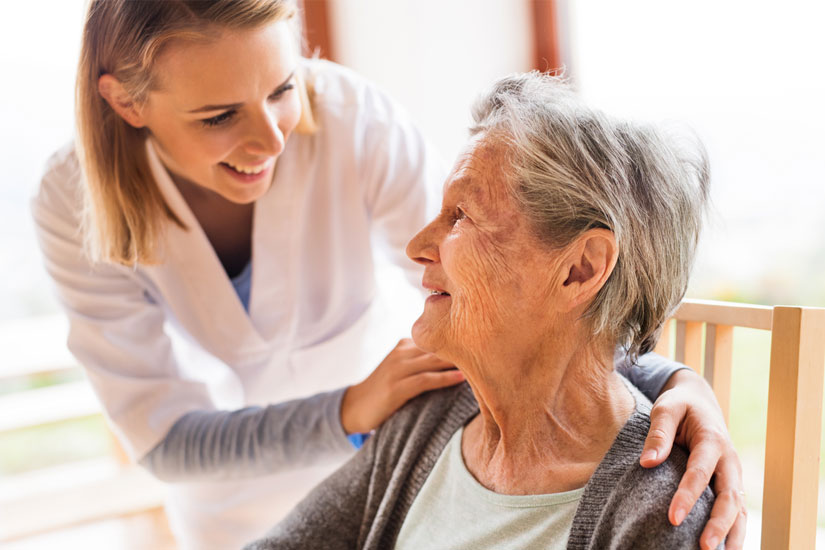
In an assisted living setting, as Alvin and colleagues cite, caregivers and staff play an important role in motivating everyday exercises for elderly residents. They can assist elderly people to exercise correctly, facilitate motivation, and modify the exercise to suit the elderly when appropriate. However, caregivers can also help patients when patients can partially exercise, assess the condition and performance of the patients, and determine the extension of the exercises.
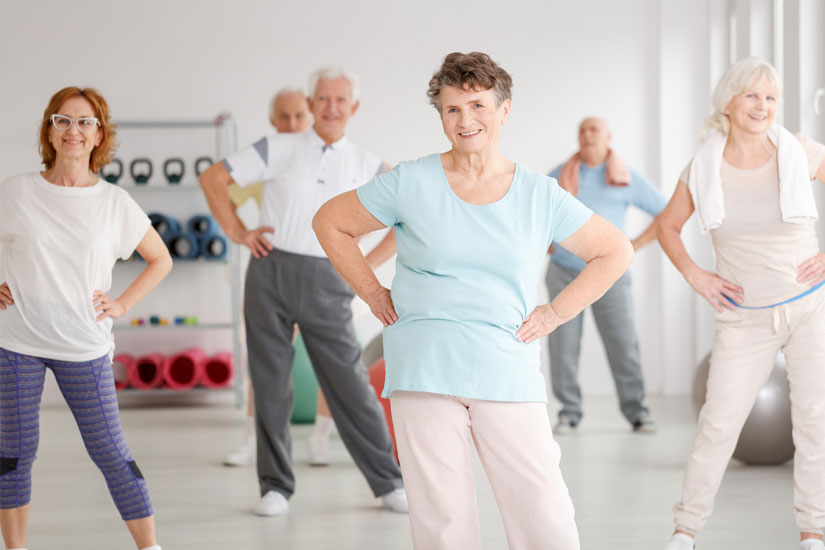
Thus, many elderly individuals in senior care facilities may have physical impairments and still attend group exercises as organized by staff. Such exercises are not only physically beneficial but also enhance social interaction and bonding as well. Such sessions may involve activities like gamified chair yoga, basic aerobics, or light walks together, all meant to be fun and healthy.
Finding Solutions to Exercise Difficulties
Although the importance and advantages of regular physical activity are well understood and recognized worldwide, there are some physical limitations, especially among those who are in assisted living. These include chronic pain, fear and concern of getting injured, and sometimes apathy towards movement. Such factors can be surmounted with the correct help and motivation.
- Chronic Pain: Older patients have chronic pain mostly because of conditions like arthritis. It is paramount to ensure only mild exercises are done to avoid the exacerbation of the pain and also to ensure that a light warm-up is done first with increasing levels of intensity allowed. A good example includes bouts of swimming or some water aerobics, which do not stress the joints in particular.
- Fear of Injury: Fear of falling or becoming injured is a characteristic that restrains elderly people from transforming themselves physically. To reduce this danger, the exercises should be performed with assistance, for example, holding a chair or resorting to a walker. Besides, beginning with easy exercises and progressing over time to more difficult ones can enhance the level of confidence.
- Lack of Motivation: Sustaining enthusiasm towards exercising is one aspect that is surely going to be faced by a senior individual who is not used to exercising regularly. To keep this drive, they can set small goals, slowly increase the targets, and reward themselves once a goal is reached. In assisted living facilities in Albuquerque, group physical training sessions as well as social activities can also create a fun and friendly atmosphere, enabling regular participation in activities.
The Benefits of Regular Exercise for Seniors
Physical activity regularly has a lot of advantages, mostly for seniors who are residents of assisted living. Such benefits include:
- 1. More Efficient Movement: Targeting muscle groups and increasing the range of motion tend to improve mobility, thus helping elderly people when it comes to walking and performing several basic routine tasks that may require movement.
- 2. Better Stability: Balance training exercises minimize the possibility of falling, which is one of the major plights in the ageing population.
- 3. Better Cardiovascular Health: Activities that include aerobic exercises, for example, walking and swimming, help to protect the heart and minimize the chances of developing ailments such as high blood pressure and heart disease.
- 4. Increased Independence: As they keep up their strength and move freely, senior members of the societies will be able to keep their independence and lead active and fulfilling lives.
- 5. Mental Health Benefits: And lastly, exercising is also known to help relieve symptoms of depression and anxiety, lift people’s spirits, and finally improve their mental health status.
- 6. Social Interaction: Group exercise programs in assisted living facilities give people an opportunity to interact socially, which helps to lessen feelings of isolation.
Creating a Personalized Exercise Plan
For seniors living in assisted living in Albuquerque, a customized exercise program will assist them in achieving optimal results from the exercise. Ideal exercises tailored for the elderly person's good exercise plan should be based on their fitness status, capabilities, and even their characteristic likes. Seeking advice from your physician or physiotherapists can help define effective exercises.
When outlining an exercise regimen, it is necessary to provide a range of activities that help enhance the different components of fitness, namely, strength, balance, flexibility, and cardiovascular endurance. For instance, a good plan should include:
- Strength Training: Calf raises, squats, chair stands.
- Balance Exercises: Standing on tiptoes and then borders from hils, and marching seated.
- Flexibility Exercises: Stretching one's neck, rolling shoulders, and circular motions of the feet.
- Cardiovascular Exercises: moving around, indulging in slim swimming, or doing easy aerobics.
Older adults are recommended to take part in physical activities for most if not all of the days in a week, with a target of thirty minutes minimum. However, it is good to pay attention to the body and not strive too hard. Days not being active are also important and helpful to healing and avoiding injury.
Conclusion
Persistence in organ exercises is extremely necessary for all aged individuals, including those in assisted living. If one engages himself/herself in active exercise, there is every possibility of enhancing physical health, bettering one’s emotional health, becoming self-reliant, and hence improving life standards. By doing some straightforward exertions in their everyday careless lives, elderly persons squeezed in Assisted Living Albuquerque will not be diminished in their strength, flexibility, or general condition.
The assisted living facility by Mayberry Senior Services in Albuquerque provides great assistance in enabling and helping residents be active. Also, caregivers not only exhort the need to exercise regularly but also help in shrinking all exercise-related barriers so that seniors can fully enjoy healthy exercise.














Contact Us
Get In Touch - Senior Care Service in Albuquerque
If you have any questions or would like more information, please feel free to contact us—we are here to help!
Phone
Hours (Mon to Fri)
8:30 AM – 5:30 PM
Address
5528 Eubank Blvd NE Suite 1 | Albuquerque, NM 87111